
How Modern Anesthesia Is Redefining Pain Control With Less Opioids
Richard P. Dutton, MD
By Richard P. Dutton, MD | As seen in Anesthesiology News
September is Pain Awareness Month, and pain remains the single most common reason patients walk into a doctor’s office. While anesthesiologists are in at the ground floor of pain, our practice has changed enormously over the past decade and the pace is steadily accelerating.
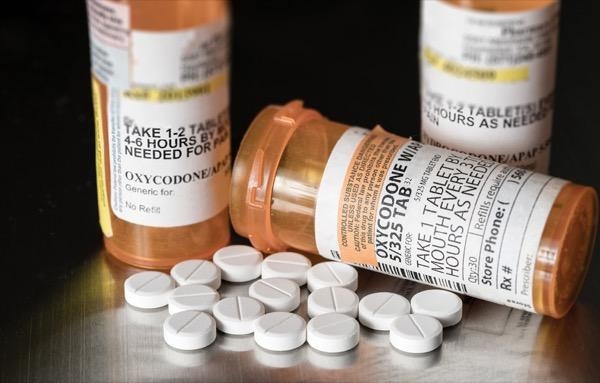
The biggest shift so far has been away from opioids like codeine, hydromorphone, morphine, and oxycodone toward “multimodal analgesia,” such as layering acetaminophen, nonsteroidal anti-inflammatory drugs (NSAIDs), and targeted nerve blocks so that opioids become a last resort rather than the foundation of treatment. What began in anesthesia as “enhanced recovery after surgery” a decade ago—an innovation intended to reduce opioid dependency—is now the standard of care for the entire profession. A decade ago, most patients were discharged home from a major surgery days later with a bottle of oxycodone. Today most go home within 24 hours, with routine acetaminophen and NSAIDs and no opioids at all.
Over the next decade, four key developments will emerge in patient pain management:
1. There will be new classes of nonopioid pain medications. One example is the 2025 FDA approval of a sodium channel inhibitor, suzetrigine (Journavx, Vertex). Medications such as this work nothing like opioids. They block a single receptor found only in peripheral nerves, so they stop pain at the site of injury instead of dulling the brain’s perception of it. There is no high from these medications, no psychological pull to keep taking it, and, so far, a much safer profile of side effects.
These inhibitors are currently used in outpatient surgery, substituting directly for oxycodone in hip and knee replacements and other potentially painful procedures. Adoption today is miniscule, likely less than 1% of eligible cases, because the medications are new and expensive. But the trajectory is favorable and familiar. As new entrants come to the market, this and similar drugs will become as routine as the opioids they are replacing, with much safer and more comfortable recovery for patients. For anesthesiologists, there will soon be IV versions of these medications that can be used up front in the OR for the largest cases and the sickest patients.
2. The second is genetic testing. The technology to sequence a patient’s genome cheaply already exists. What has lagged is the will—and the economics—to use it routinely before surgery. Hundreds of genes are known to affect both how a person metabolizes opioids and their risk of becoming dependent on them after use. As genetic testing becomes cost-effective and standard, a patient arriving for a knee replacement or hip surgery could hand the anesthesiologist a single-page genetic profile listing which drugs are most likely to work well and which should be avoided. This is a much sharper tool for surgical care than the blunt question we still rely on today: What are you allergic to?
3. The third is the continued decline of painful open surgery in favor of “inside-out” procedures. Gallbladder removal once meant a large abdominal incision and 10 days in the hospital, with real risk for pneumonia and other complications. Today, the procedure involves three small holes and dinner at home that evening.
Aortic aneurysm repair, once a major open operation, is now routinely done through a single incision in the groin, threading a stent into place. Robotic systems, increasingly guided by artificial intelligence that plans the precise angle of every cut, are extending that same logic to hip and knee replacements, spine surgery, and abdominal procedures. Patients bleed less, hurt less, and go home sooner, with less need for dangerous pain medications. None of this means anesthesiologists are working less. Every gain in patient safety is reinvested into learning how to do bigger operations on sicker patients.
4.The fourth is multimodal analgesia finishing the job it started. What is now standard for the healthiest outpatients will become standard for everyone, including frail and older patients who once had few pain control options beyond opioids. Older adults with hip fracture now sometimes receive a nerve block in the ER within hours of being injured and well before surgery even begins, aiming for a completely opioid-free—but comfortable—course of care.
None of these advances will completely erase opioids from medicine. They remain safe, effective, and necessary for major operations and the sickest patients, and they will keep that role for years to come. But the routine use of opioids for ordinary pain, the pathway that has fed so much of the addiction crisis, is steadily narrowing.
Dutton is an anesthesiologist and the chief quality officer at U.S. Anesthesia Partners, and an adjunct professor at the University of Maryland School of Medicine, in Baltimore.
Editor’s note: The views expressed in this commentary belong to the author and do not necessarily reflect those of the publication.
Tags