
USAP News
HAPPENINGS AT USAP
Search
Filters
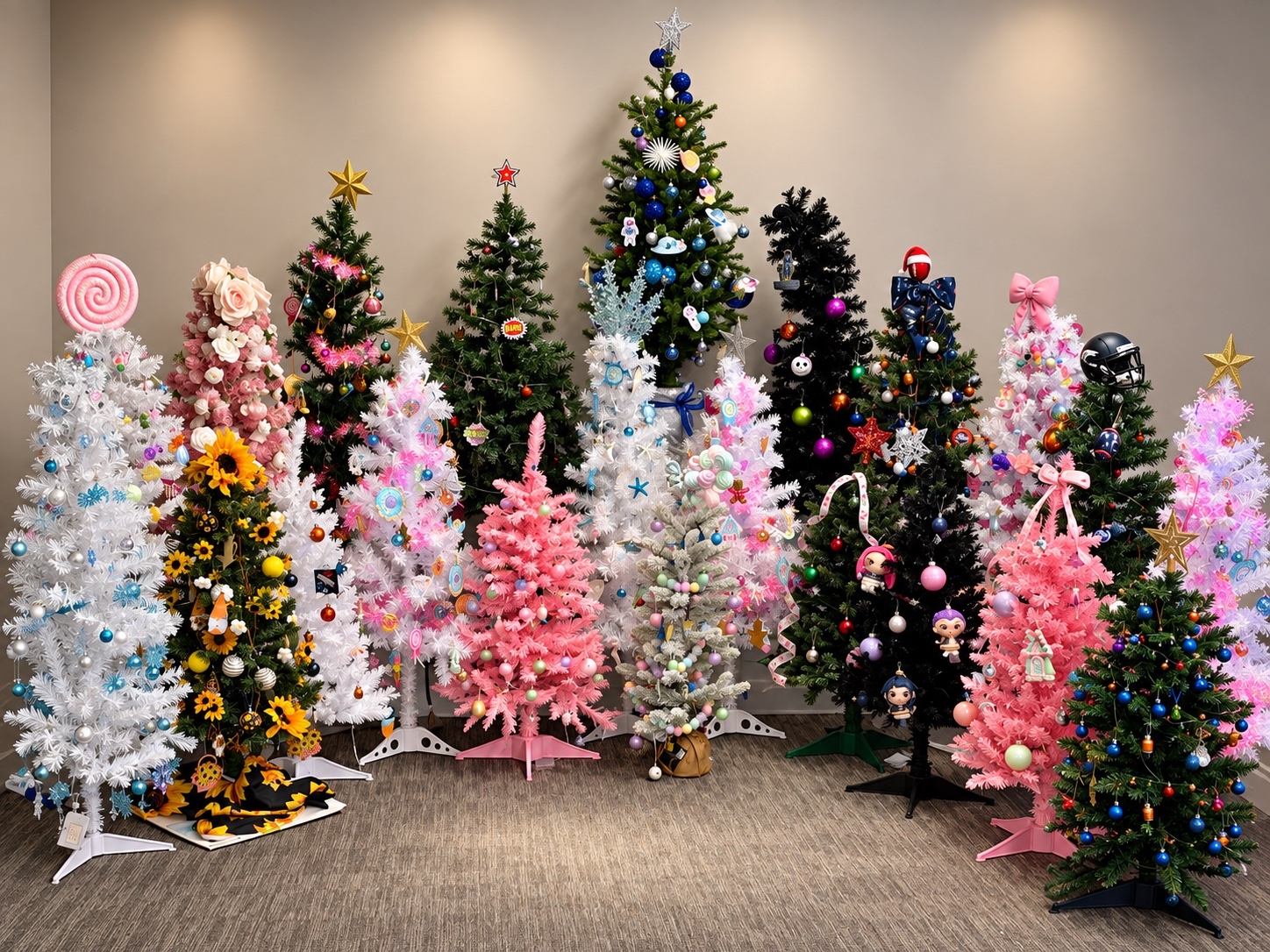
U.S. Anesthesia Colorado Brings Holiday Cheer to Children Through Wish Tree Project USAP clinicians decorated Christmas trees through Colorado's Make-a-Wish Foundation as part of USAP Cares Week.
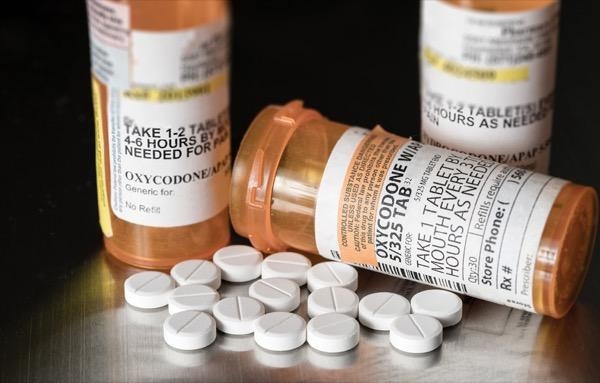
Examining Sodium Channel Blockers, Genetic Testing, and Multimodal Analgesia
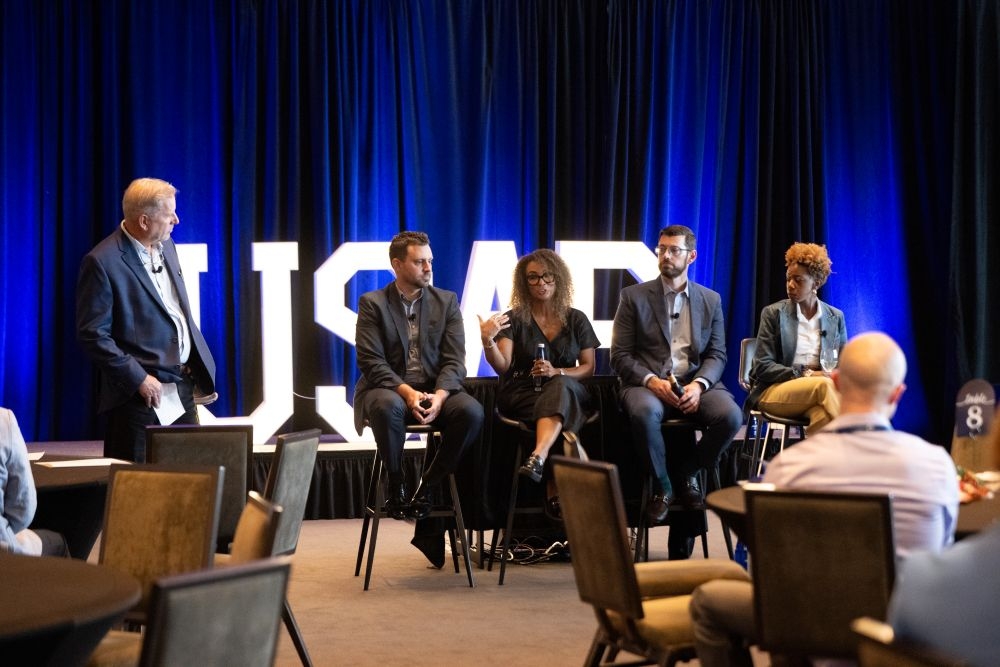
Every September, a select group of physician residents and student nurse anesthetists gather in Austin for U.S. Anesthesia Partners' Future Leaders in Anesthesia conference.

US Anesthesia Partners, Inc. (USAP) will hold its annual USAP Cares Week September 19–26, giving team members and their families opportunities to volunteer and support nonprofit organizations in the communities where they live and work.
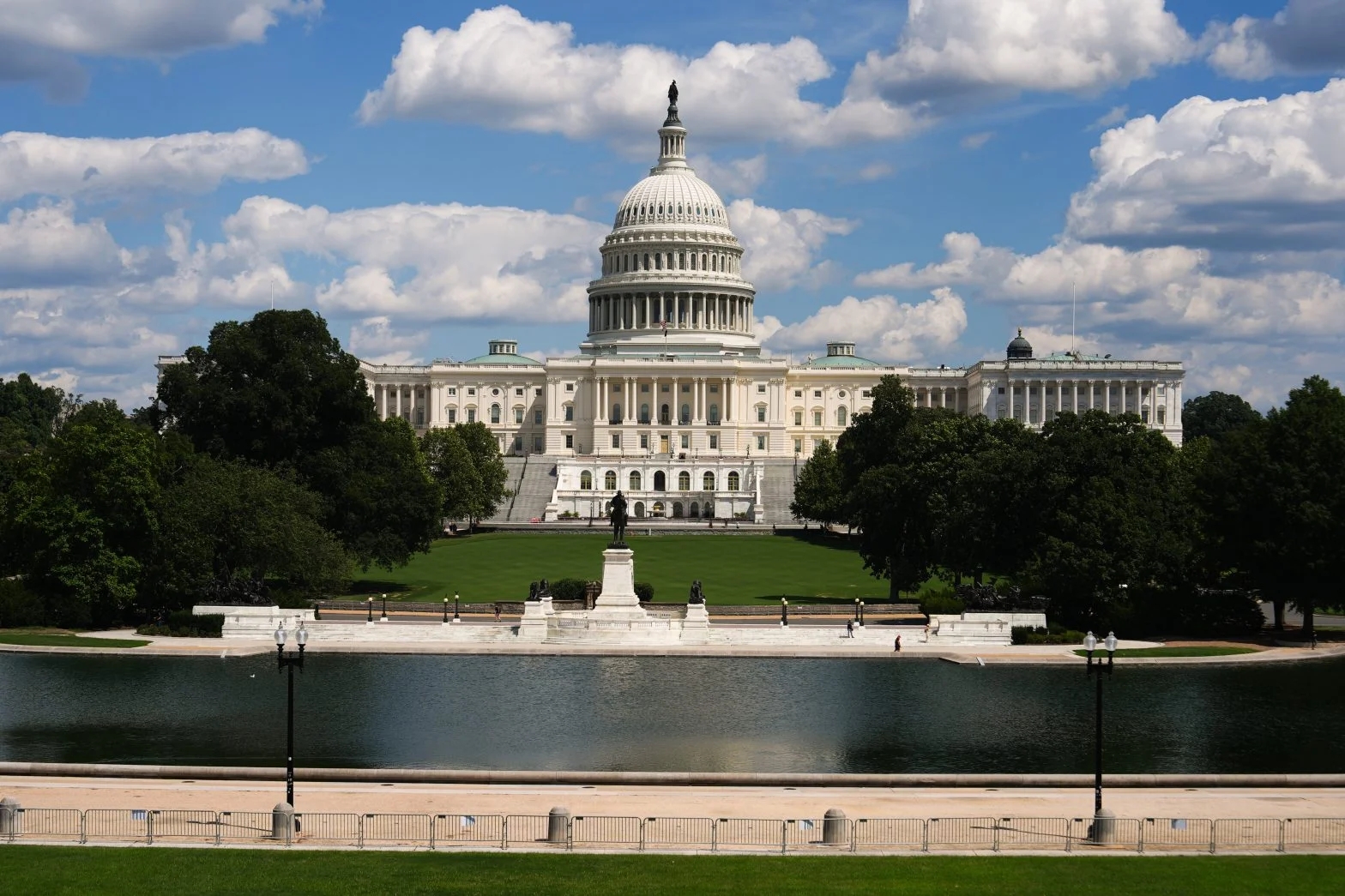
There is a well-known shortage of anesthesia clinicians in the United States. But the shortage is not evenly distributed.
ASA Welcomes U.S. Anesthesia Partners as a Group Practice Supporter for the Second Year
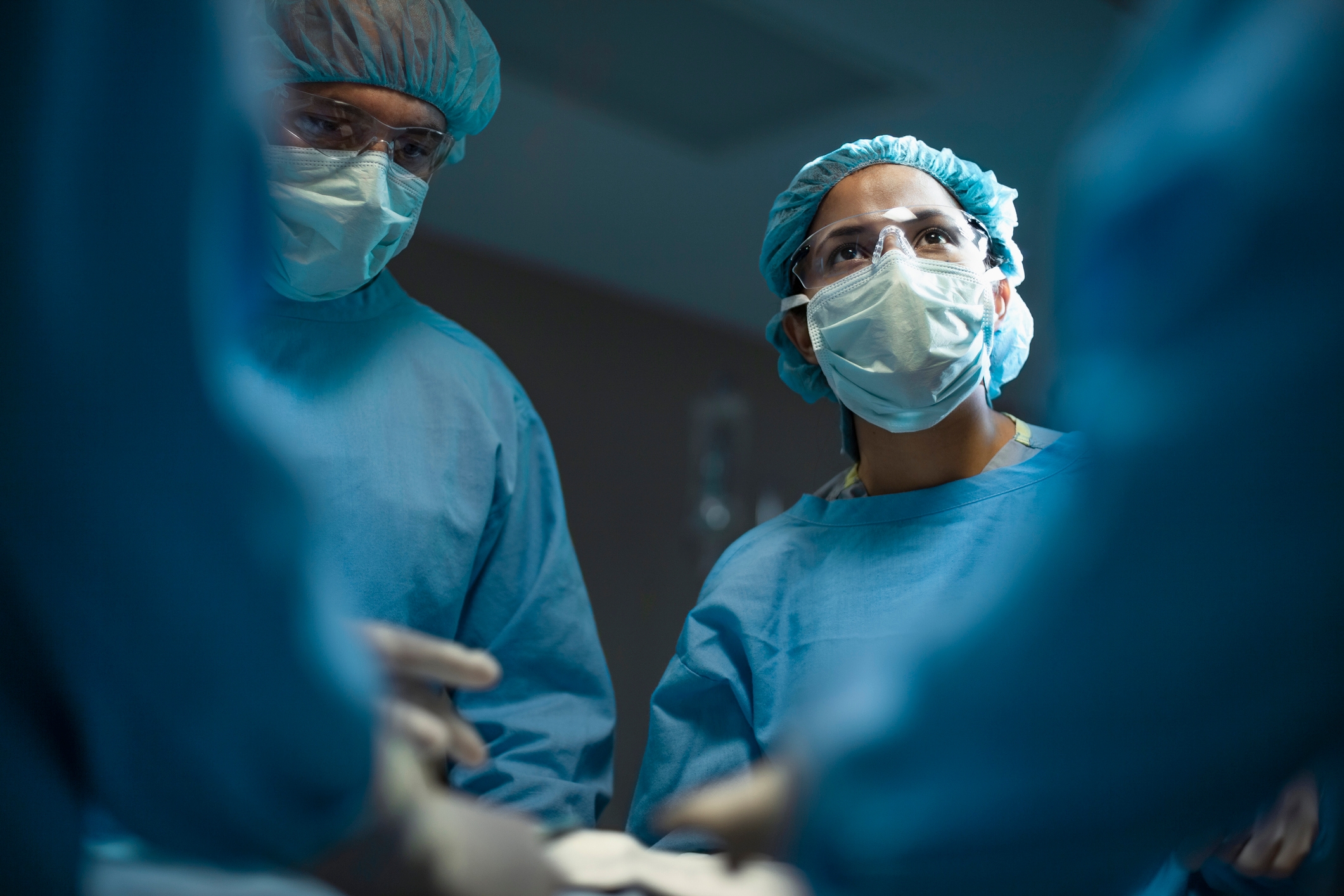
Our local practice in Nevada is 100% physician-owned, and U.S. Anesthesia Partners (USAP) physicians are the largest single shareholder group in the management company. Local clinical governance manages each practice. The physician owners in Nevada and other USAP practices choose their clinical governance board. The boards are in full control of the clinical operations of their respective practices in each state.
As seen in the Las Vegas Sun Guest column: Nevada can no longer afford to import its medical professionals from other states
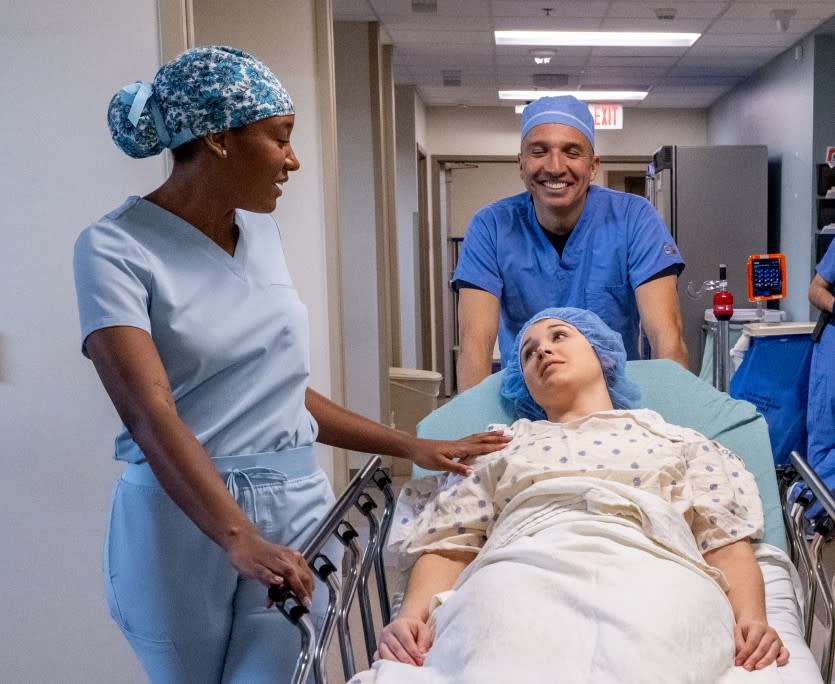
By Exec Edge Editorial Staff | Tuesday April 28, 2026 Most patients never meet their anesthesiologist before surgery day. They sign a consent form, may ask a few questions in pre-op, and wake up in recovery with only a hazy memory of the clinician who kept them alive through the procedure. For decades, this has made anesthesia one of the hardest specialties in medicine to measure from the patient’s perspective and one of the easiest to overlook.USAP is the only national anesthesia provider to routinely measure patient satisfaction.
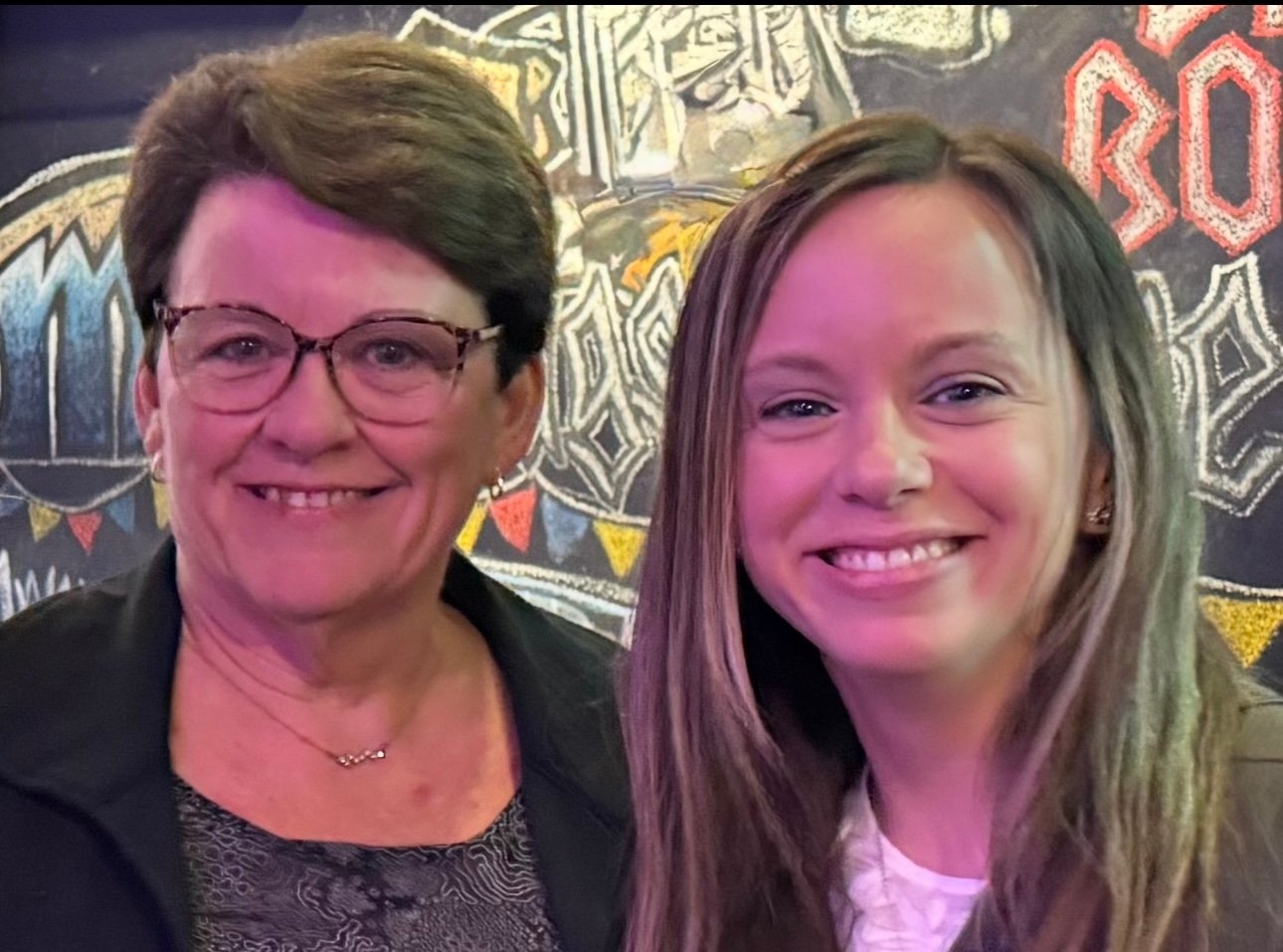
When Laurie Meginnis, CRNA (USAP-MD), was raising her children in Indiana in the 1990s, she juggled nursing classes while managing a household and watching her kids play volleyball. With her textbooks open on her lap in the bleachers, she wasn't just building a career. Without knowing it, she was also showing her daughter Kelly Lock, DNP, CRNA (USAP-MD), exactly what was possible.