
Anesthesia now among the safest of medical procedures | Opinion
Dr. Kurt Jones
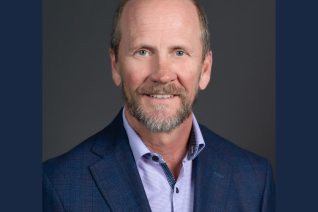
By Dr. Kurt Jones | USA Today Network via Reuters Connect
On October 16, 1846, Boston dentist William T.G. Morton administered ether to a patient at Massachusetts General Hospital and, for the first time in public, a patient underwent a painless surgery. World Anesthesia Day marks that moment every year. Innovations in anesthesia over the past 40 years − pulse oximetry, capnography, standardized monitoring protocols and better training − have made it among the safest of medical procedures. A healthy patient going under anesthesia now faces a risk of anesthesia-related death roughly 20 times lower than someone in that same operating room only a generation ago.
Today, 180 years after Dr. Morton's breakthrough, it's worth asking: What will the next decade bring in anesthesia?
Coming out of a slower period of the past two decades, anesthetic drug development is now moving fast. Remimazolam, an ultra-short-acting benzodiazepine first approved by the FDA in 2020 for procedural sedation under 30 minutes, is displacing older sedatives in a growing share of procedures because it clears the body quickly through enzymes rather than the liver, keeps blood pressure and heart rate more stable during induction, and comes with a specific reversal agent if needed.
Japan and South Korea have approved it for full general anesthesia and others may follow that lead as more data accumulates. Alongside it, the shift toward opioid-free and opioid-sparing anesthesia, layering nerve blocks, non-opioid analgesics, and newer non-opioid pain drugs, has moved from a niche practice to something approaching the default for many procedures. Ten years from now, a patient going home from routine surgery without a single opioid pill will be unremarkable rather than notable.
Pull back next to consider workforce, because it impacts everything else. Roughly one-fifth of the current anesthesia workforce is projected to leave the field by 2033 through retirement alone, at the same time surgical volume keeps climbing with an aging population. The Census Bureau projects the number of Americans age 65 and older will grow from about 63 million today to more than 71 million by 2030, and that age group drives a disproportionate share of surgical volume, from joint replacements to cardiac and cancer procedures. That intersection between workforce, pharmacology and technology will undoubtedly have a meaningful impact on the delivery of anesthesia in the next decade.
It is also where the most common misconception about AI in this field needs correcting. Anesthesiology is often lumped into general anxiety about AI replacing physicians. The evidence points the other way. A landmark University of Oxford study that scored the automation risk of over 700 occupations rated anesthesiologists among the very hardest jobs to automate, precisely because the work demands real-time physical judgment, creative problem-solving under pressure, and reading another human being's condition moment to moment.
None of that has changed. What has changed is how much AI now assists the anesthesiologist rather than replacing them: predictive monitoring that flags a falling blood pressure or oxygen trend before it becomes a crisis, decision-support tools that surface a patient's full history in seconds, and documentation systems that give clinicians back time at the bedside instead of at a keyboard. For a student weighing this specialty today, that combination, heavy AI involvement paired with low displacement risk, is about as good a signal as exists in medicine right now.
Surgery itself is changing in ways that reshape the anesthesiologist's job alongside it. Procedures that once required a large open incision and a week in the hospital are increasingly done through a few small ports or a single catheter, guided by imaging and increasingly by robotic systems.
That does not mean less work for anesthesia teams. It means the same safety gains get reinvested into operating on sicker, older, more complex patients who could not have tolerated surgery at all a decade ago. Point-of-care ultrasound has already made nerve blocks and vascular access dramatically more precise than the landmark-based techniques many of us trained on. Video laryngoscopy has ushered in a new era in difficult airway management. Continuous, wearable monitoring is starting to extend that visibility past the recovery room and into the days after a patient goes home.
Put together, the anesthesiologist of 2036 will have more data, safer drugs and more capable tools than the one practicing today, and will still be the person in the room making the judgment calls no algorithm is positioned to make. That is worth remembering on a day set aside to mark how far this specialty has already come, and worth saying plainly to the students deciding whether to join it.
Dr. Kurt Jones is chief clinical officer of U.S. Anesthesia Partners and has practiced in Florida since the 1990s.
Tags